
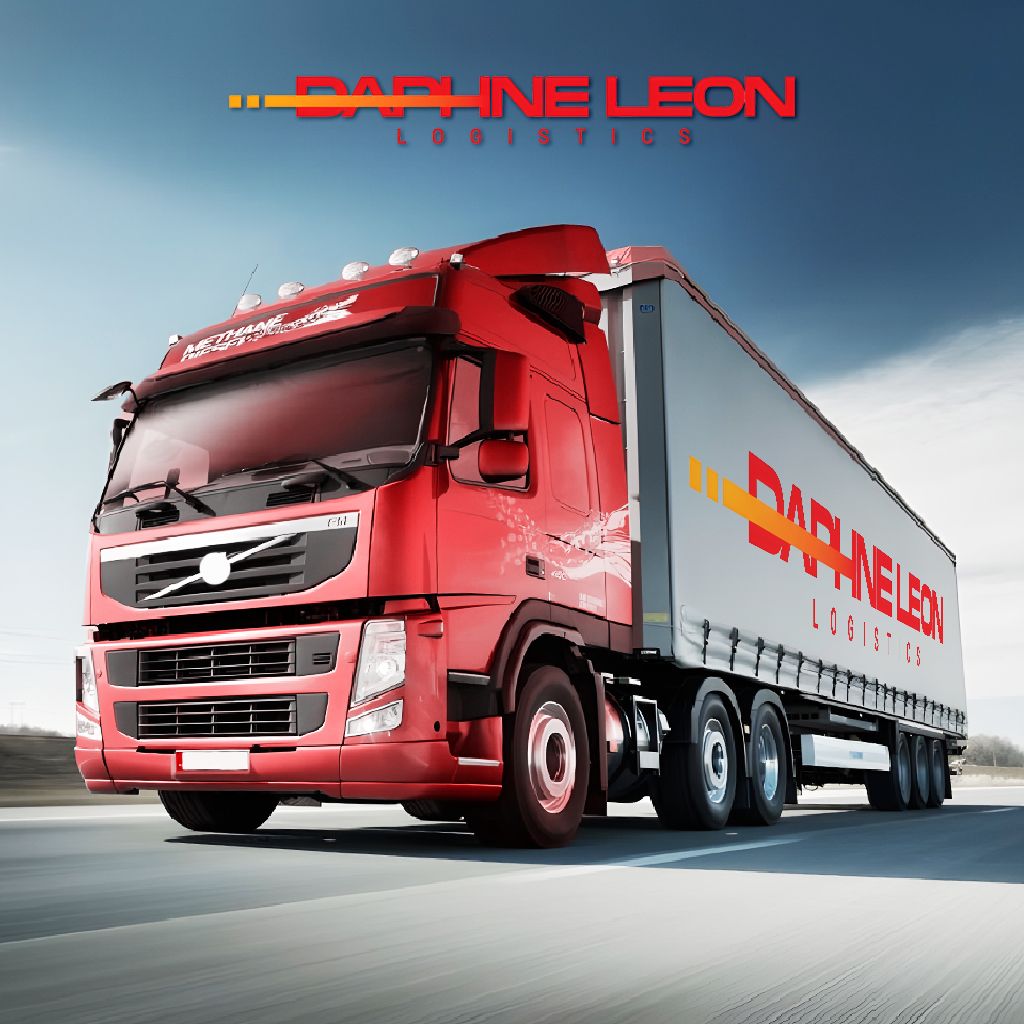
Avrupa Navlun Pazarı 2026'nın İlk Çeyreğinde Güçlü Bir Toparlanma Gösteriyor
The European freight market demonstrated a strong and encouraging recovery during the first quarter of 2026, marking a clear shift from the volatility and slowdown experienced throughout much of 2024 and 2025. Early indicators suggest that demand is stabilizing, capacity is rebalancing, and confidence is gradually returning across key logistics sectors.
Stronger Demand Signals Across Europe
Q1 2026 recorded a noticeable increase in freight volumes across multiple transport modes, particularly road and intermodal freight. Manufacturers, retailers, and distributors resumed higher shipment activity as inventory levels normalized and consumer demand improved in several European economies.
This rebound was especially visible in core trade corridors within Western and Central Europe, driven by renewed industrial output, cross-border trade, and improved order pipelines from the automotive, manufacturing, and FMCG sectors.
Road Freight Leads the Recovery
Road freight played a leading role in the market’s recovery. After prolonged pressure from high fuel costs, regulatory changes, and driver shortages, transport operators began to experience better load factors and more consistent pricing during Q1 2026.
While rates did not spike aggressively, the market showed healthier balance between supply and demand. This stability allowed carriers to optimize operations and regain some margin predictability after a challenging period.
Intermodal and Rail Gain Momentum
Intermodal and rail freight also benefited from the recovery, supported by sustainability initiatives and cost-efficiency strategies adopted by large shippers. As companies continue to diversify transport modes to reduce risk and emissions, rail-linked freight solutions saw growing interest, particularly for long-distance and cross-border routes.
This shift reflects a broader structural trend toward more resilient and environmentally conscious logistics networks across Europe.
Key Drivers Behind the Recovery
Several factors contributed to the market’s improvement in Q1 2026:
-
Gradual economic stabilization across major EU economies
-
Improved supply chain planning after years of disruption
-
Lower inflationary pressure compared to previous years
-
Strategic inventory restocking by manufacturers and retailers
-
Increased adoption of digital freight management tools
Together, these elements helped rebuild momentum and restore operational confidence.
Ongoing Challenges Remain
Despite the positive outlook, the recovery is not without challenges. Operating costs remain elevated, particularly for fuel, maintenance, and labor. Regulatory compliance and environmental requirements continue to add pressure on smaller transport operators.
In addition, geopolitical uncertainties and potential energy price fluctuations remain key risks that could affect freight demand and pricing throughout the rest of 2026.
Outlook for the Rest of 2026
The strong performance in Q1 sets a constructive tone for the remainder of the year. While a full-scale boom is unlikely in the short term, the European freight market appears to be entering a phase of controlled growth and improved stability.
If current trends continue, 2026 could represent a turning point — moving the industry away from crisis management and toward long-term optimization, resilience, and sustainable expansion.